
"Costa Rica coffee regions"
1000 article(s) found

How about the cultivation of single-product beans in Fire Phoenix Manor? introduction to the award-winning situation of single-product beans in Fire Phoenix Manor
For the exchange of professional baristas, please follow the national culture of the coffee workshop (Wechat official account cafe_style): Costa Rica has a variety of cultures, which is the cultural confluence of Central and South America. When the Spaniards conquered America in the 16th century, the northern part of Costa Rica was the southernmost territory of the Mayan civilization, the central and southern regions were Chibucha territories, and the west coast was inhabited by 1.

Costa Rica Las Haas Manor single bean species, brand recommendation and manor introduction
Professional barista communication please follow the coffee workshop (Wechat official account cafe_style) Costa Rica Las Haas manor single bean species, brand recommendation and manor introduction honey treatment is one of the mainstream processing methods of high-quality coffee raw beans. In the author's previous article, there has been some introduction to the treatment of raw coffee beans, and the honey treatment method is the latest among the mainstream treatment methods.

The Cooperative of Guanacaster Coffee Manor in Costa Rica introduces the characteristics of coffee bean treatment.
For more information about coffee beans, please follow the Coffee Workshop (official Wechat account cafe_style) altitude: 1200-1600 m area: Guanacaster, Costa Rica Flavor Note: lemon Arabica Coffee Variety: Catuai if you have been to Costa Rica, you are likely to bask in the sun on the beach in Guanacaster, Costa Rica. Ratio

Costa Rican coffee beans introduce culture
There are many coffee growing areas in Costa Rica. The unique microclimate and soil composition of each region lead to subtle changes in coffee from region to region. Most Costa Rican coffee is not grown on a large scale, but is cultivated by many small-scale coffee farmers and then takes their harvest to coffee factories for processing. Some Costa Rican coffees are processed with pectin scrapers.
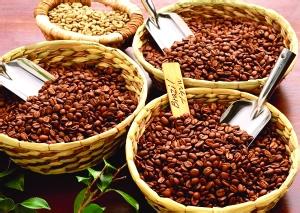
A brief description of the regional flavor of Costa Rican St. Roman coffee beans with good acidity and sweetness
The drop in Costa Rica's famous Tarasu high altitude causes sufficient rainfall, which is also good for the growth of coffee trees. However, although growing coffee at higher elevations has many advantages, the additional transportation costs must be taken into account, which is likely to make the production of coffee unprofitable. Although the development of boutique coffee started late, but now Costa Rica

Introduction to the grinding scale of the quality characteristics of the flavor description treatment method of Costa Rica Tarazhu coffee beans
Costa Rican coffee is a more advanced profession because of the coffee industry. Coffee farmers have a high status in Costa Rica. In 1897, citizens of the capital witnessed the completion of the National Theater donated by coffee tycoons. Coffee wealth brings stability to Costa Rica's politics, economy and democracy, which is rare in Central American countries. In addition, Colombia has a law that only allows planting.

Classification, price, raw bean and baking curve of single bean in Fire Phoenix Manor, Costa Rica
Professional barista exchanges please follow the coffee workshop (Wechat official account cafe_style) Costa Rica Fire Phoenix Manor single bean classification, price, raw beans and roasted curve coffee was introduced from Cuba in 1808 and began to be exported during Fednan's presidency. Since then, the export volume has continued to increase, improving the Colombian economy, and many people have become rich as a result of growing coffee, resulting in the emergence of social classes.

Costa Rican coffee production Tarrazu/Tarrazu coffee cultivation flavor characteristics Introduction
Professional coffee knowledge exchange More coffee bean information Please pay attention to coffee workshop (Weixin Official Accounts cafe_style) In 1729, coffee began to appear in Costa Rica, when it was introduced from Cuba. This made Costa Rica the first country in Central America to grow coffee and the first to grow coffee for commercial value. Then in 1821 Costa Rica was transferred from Spain.

Costa Rica Las Jas Estate Coffee Features Las Jas Estate Coffee Types Introduction
Professional barista exchanges Please pay attention to coffee workshop (Weixin Official Accounts cafe_style) Costa Rica Las Jas Manor Coffee Features Las Jas Manor Coffee Types Introduction WEST VALLEY West Valley, the first farmer settled in the 19th century and brought coffee. The region is divided into 6 sub-regions, surrounding San Ramon, Palmares, Naranjo, Greece, Sarchi

Flavor description of Costa Rican Coffee Bean introduction to the taste of the regional treatment of manor varieties
Costa Rican coffee bean flavor description manor variety regional treatment taste introduction the volcanic soil in Dariga is very fertile and well drained, making it the first country in Central America to grow coffee and bananas because of its commercial value. Coffee and bananas are the country's main exports. Coffee was introduced into Costa Rica from Cuba in 1729. Today, its coffee industry is the world.

Costa Rica multi-tower coffee goddess manor history story _ Costa Rican goddess rose summer how to drink
Professional coffee knowledge exchange more coffee bean information please follow the coffee workshop (Wechat official account cafe_style) Costa Rica Coffee Goddess Manor Rose Summer is located in Costa Rica's most famous Tarrazu (Dota) area is famous for the production of micro-batches of substandard art tricks! In 1865, the multi-tower region enjoyed the best Costa Rica.

Introduction to the production area of individual beans in Fire Phoenix Manor how to brew single beans in Fire Phoenix Manor
Professional baristas exchange please follow coffee workshop (Wechat official account cafe_style) roasting degree: medium roasted Costa Rica Central Valley Cumbres del Poas Black Rose coffee producing area: Cetral Valley annual rainfall: 3000 mm coffee variety: Caturra Catuai annual average temperature: about 20 degrees treatment method: sun treatment method planting altitude: 1300M-150

How to deal with the processing of single beans in Goddess Manor? how to divide the grades of single beans in Goddess Manor?
For the exchange of professional baristas, please follow the coffee workshop (Wechat official account cafe_style) name: Costa Rica Tarazu Goddess Manor Water-washed Geisha (Costa Rica Tarrazu El Diosa Geisha Washed) production area: Tarazu (Tarrazu), Multi-Tower (Dota Valley) Manor: goddess Manor (Finca El Diosa) species: geisha (gei)

Costa Rican bean producing area introduces how to brew Costa Rican single bean.
For professional baristas, please follow the coffee workshop (Wechat official account cafe_style) WEST VALLEY West Valley, the first farmer to settle in the 19th century and bring coffee. The region is divided into six subregions around the urban centres of San Ramon, Palmares, Naranjo, Greece, Sarchi and Artenas. There is a specific coffee variety in Sarchi called Villa Sa.
Does Costa Rican Tarazhu coffee taste good? how can Costa Rican coffee beans show sweetness?
Professional coffee knowledge exchange more coffee bean information please follow coffee workshop (Wechat official account cafe_style) Costa Rica is the most stable coffee in Central America, coffee production has a very long history, as early as the 19th century has been exported to the United Kingdom. In Costa Rica, Robes.

Rose Manor in Tara Pearl region of Costa Rica introduces the flavor of washed Kaddura.
Producing area: Tara Pearl producing area of Costa Rica Manor: rose Manor altitude: 1100-1300m varieties: Kaddura treatment: washing grade: SHG flavor: dry fragrance is the frankincense of cream popcorn, with the fragrance of Hawthorn bergamot when brewing, the taste is smooth, delicate, even and pleasant, the slight fruit acid is cool in the mouth, the sweetness of honey brown sugar is really sweet and floats in the coffee.

Fire Phoenix Manor single Pin Bean Manor what Fire Phoenix Manor single Pin Bean Baking suggestion
The exchange of professional baristas follow the Coffee Workshop (Wechat official account cafe_style) Coffee was introduced from Cuba in 1808 and exported during the term of President Fednan, since then the export volume has continued to increase, improving the Colombian economy, many people became rich as a result of growing coffee, and social classes were created. In 1849, Juan Rafael Mora, a rich coffee farmer, became the general manager.

The goddess manor single product bean producing area introduces how to brew the goddess manor single product beans.
Exchange of professional baristas please follow the coffee workshop (Wechat official account cafe_style) introduction: Costa Rican coffee cultivation was introduced from Cuba in 1779, only the first export of coffee in 1820, there are about 32000 coffee farmers, the average planting area per farmer is less than one hectare (10000 tons). Costa Rica has a population of 41 billion (2006), coffee

Description of Coffee Variety Culture and Fine Coffee Bean Taste in Saint Roman Manor, Costa Rica
Costa Rica has a variety of cultures, which is the cultural confluence of Central and South America. When the Spaniards conquered America in the 16th century, the northern part of Costa Rica was the southernmost territory of the Mayan civilization, the central and southern regions were Chibucha territories, and the west coast was inhabited by black slaves from Africa from the 17th to 18th centuries. at this time, many Chinese

Goddess Manor single Pin Bean Manor which Goddess Manor single Pin Bean Baking suggestion
For the exchange of professional baristas, please pay attention to the coffee workshop (Wechat official account cafe_style) Costa Rica _ multi-tower goddess manor _ geisha coffee bean producing area Tarrazu Manor was established in 1963. The manor size, the planting area, the planting area, the annual rainfall, the average annual temperature, about 19 ℃, the elevation 1800 meters, the Geisha classification standard, the SHB soil type, the volcanic soil.